)

)
)
Oil Executives Flocking to Venezuela Set Off Hunt for Golf Clubs
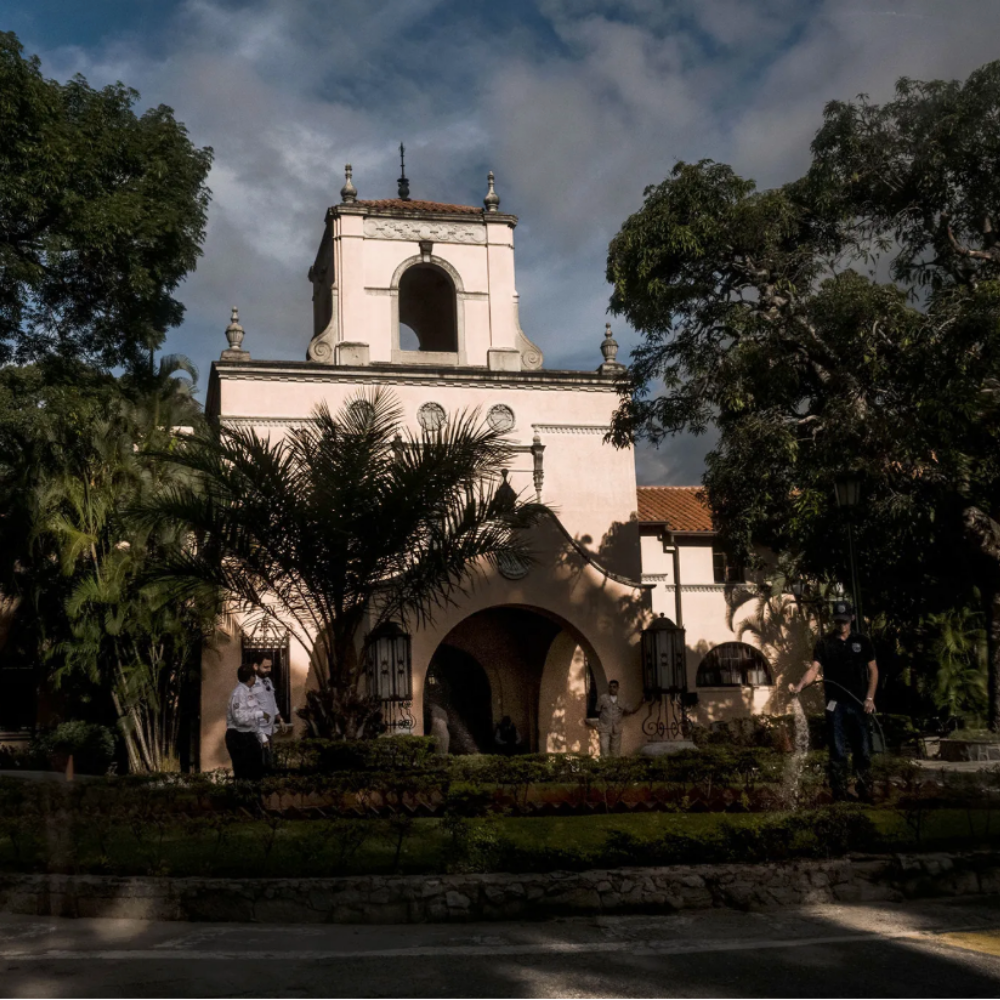
Dozens of executives teed up at the lush Caracas Country Club for a golf tournament Monday, warming up for a sold-out oil and gas conference in the Venezuelan capital this week.
Days earlier, the event organizers were in a panic.
“We contacted every golf club and shop to find clubs,” said Alex Moulds of London-based Global Event Partners Ltd. “We borrowed some sets and even bought a few to make sure we had enough.”
For ordinary Venezuelans, a rush in the capital’s wealthy bubble to secure golf clubs is an almost absurd problem — they’ve faced years of economic contraction, hyperinflation and sanctions that have impoverished the oil-rich country. The country is also recovering from twin earthquakes in June that killed thousands.
Yet the conference fits with President Donald Trump’s promise to restore Venezuela’s former glory under an umbrella of US influence.
Trump — a regular golfer and owner of multiple international courses — laid down his ambition of channeling $100 billion into Venezuela’s oil industry revival after US forces deposed former leader Nicolás Maduro in January. This week’s conference is the most high-profile effort yet to advance that goal.
Some 650 foreign and local executives, government officials and foreign diplomats are due to attend the Venezuela International Oil and Gas Summit starting Tuesday, with over 150 more on the waiting list. The stampede illustrates how Venezuela is captivating the hydrocarbons industry at a time when Middle East supplies are choked by war.
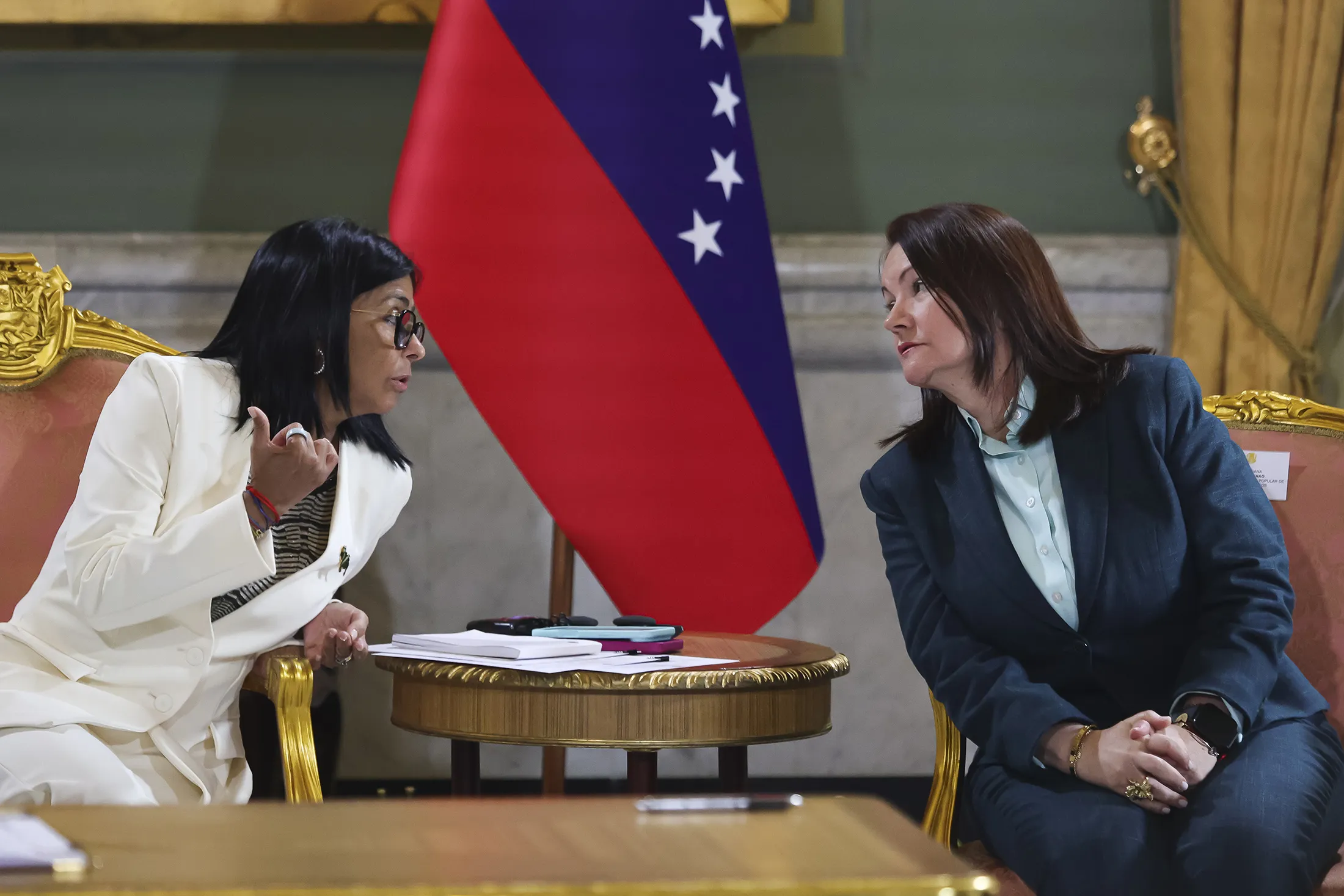
Companies represented at the event include ExxonMobil Holdings Corp., TotalEnergies SE, BP Plc, Repsol SA, Siemens AG and Hunt Oil Co., plus Houston-based industry contractor Lindsayca Inc and Qatari contractor UCC Holding as strategic partners. Also expected are Venezuelan Oil Minister Paula Henao, Foreign Minister Felix Plasencia. Delcy Rodríguez, Venezuela’s US-supported acting president, may also address the delegates.
That level of attendance put a premium on locating those golf clubs. Among the players who needed equipment were executives from Mexico’s offshore oil contractor Cotemar SA de CV, the tournament’s sponsor.
Moulds and his team got lucky at family-owned Morsa’s Proshop.
“They needed everything right away, which is hard here, because usually people do a fitting for clubs and special order them,” said Morsa’s director María Fernanda Núñez, whose father founded the business after making a name for himself fixing clubs as a hobby.
“It was also hard to find people to lend clubs,” Núñez said. “Very few Venezuelans play golf, and this country has been through a lot, so there’s a lack of trust.”
Old MoneyCaracas has three main private golf clubs, but no public courses or resorts that normally lend out equipment. So even with the new and borrowed clubs from Morsa’s, some of the players in the tournament probably have to share irons, a no-no for experienced golfers.
“If something’s missing, we’ll try to borrow it from the pros,” said Caracas Country Club golf manager Henrique Lavie. “We’re making every effort so everyone has a good time.”
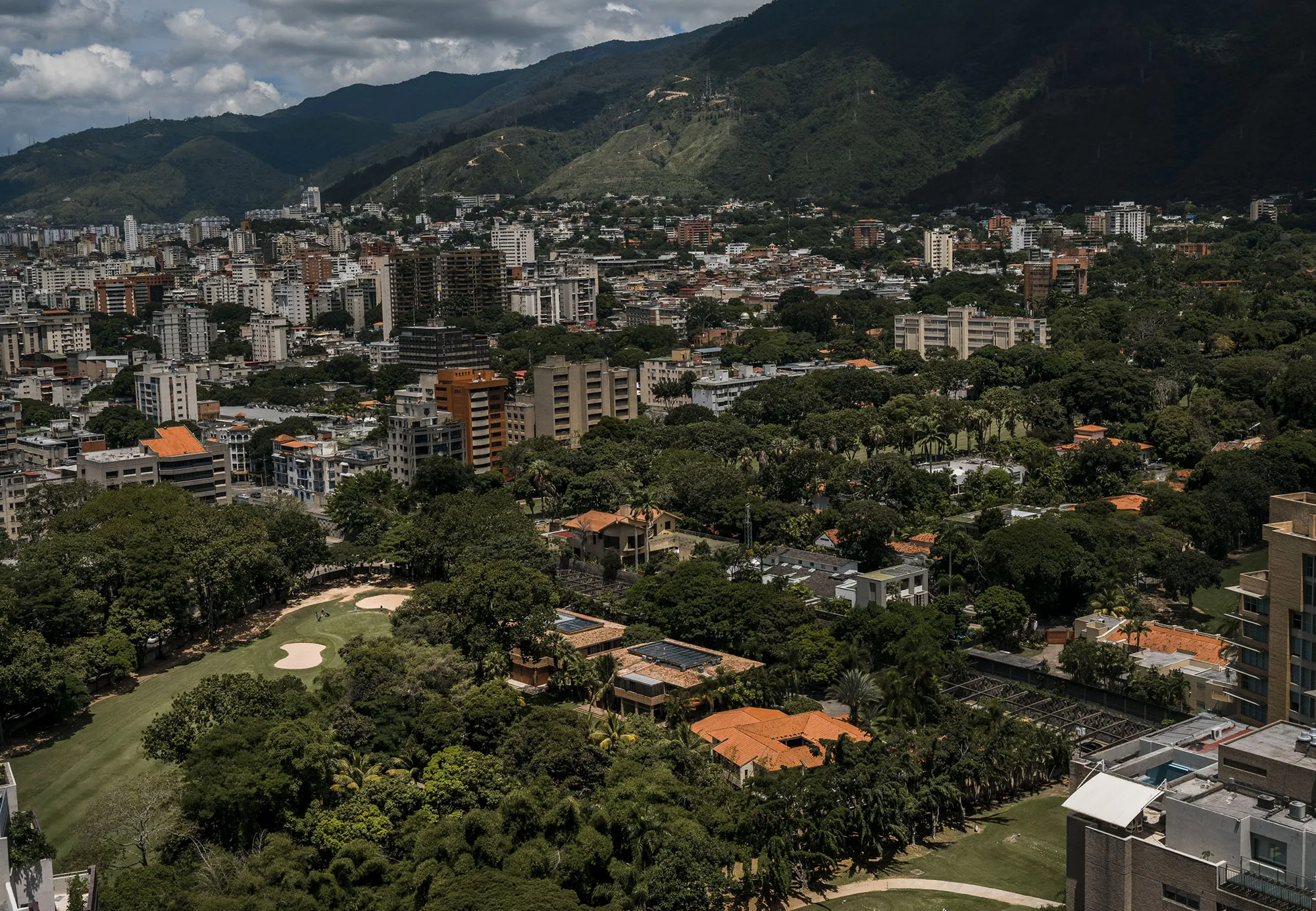
On the emerald fairways of the stately Caracas Country Club, the glory never really faded. Built more than a century ago on the site of former coffee plantations, with advice from US scion and former Vice President Nelson Rockefeller, the club is synonymous with Venezuela’s old money.
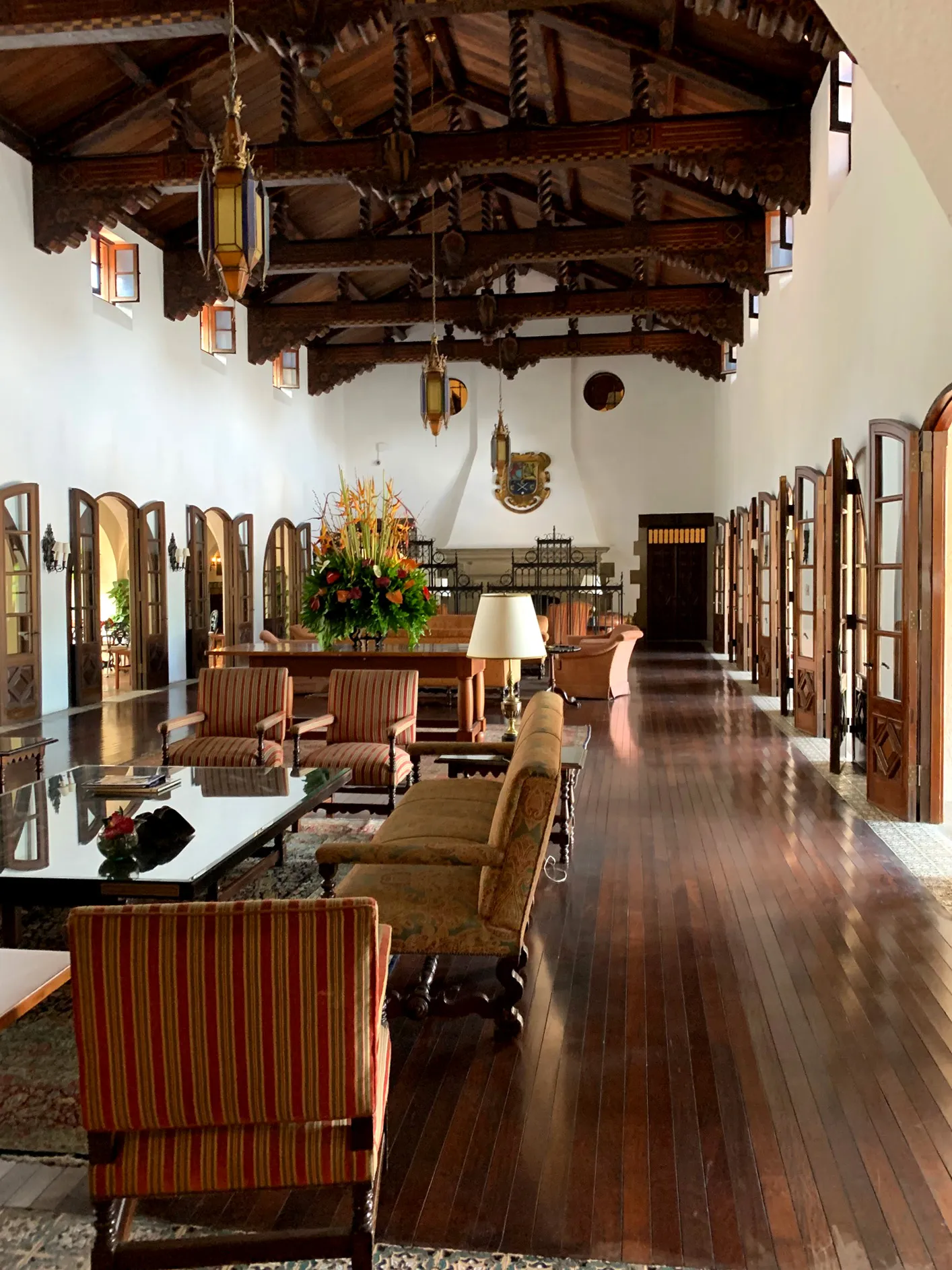
At the oil conference, an overflow crowd will be shepherded into an extra room at the hotel venue to watch a livestream of the discussions. “It’s going to be a little tight,” Moulds said.
With tickets going for $2,950 apiece before they sold out, the rush reflects “major FOMO,” said a local executive who tried unsuccessfully to get a friend into the conference.
Part of the proceeds will be donated for reconstruction from Venezuela’s two devastating earthquakes, Moulds said.
Whether all the exuberance sparks big investments in Venezuela isn’t clear, given the large task of rebuilding basic oil infrastructure and restoring investor confidence. The country is pumping about 1.2 million barrels a day of crude, compared with more than 3 million in the 1990s.
While many oil companies have signed preliminary agreements with state-owned Petroleos de Venezuela SA, few have made firm commitments as questions linger over alignment with US sanctions rules, environmental liabilities and political conditions in Caracas and Washington.
For the moment, the excitement is about the green.
“For 10 or 15 years, Venezuela wasn’t used to having so many people come in from abroad to play golf,” said Diego Alexandre, a member of the golf commission at the Caracas Country Club. “The pro shops will just have to stock up. It’s a good problem to have.”
Source